Description
SATEPA UV-C Sensors, an Italian-made UV-C sensor from SATEPA Srl, measures UV-C intensity at 253.7 nm inside the reactor, with an integrated temperature detector. Standard and DVGW / ÖNORM certified versions are available in AISI 316 stainless steel housings. UV Water Systems supplies, installs and services it across Oman.
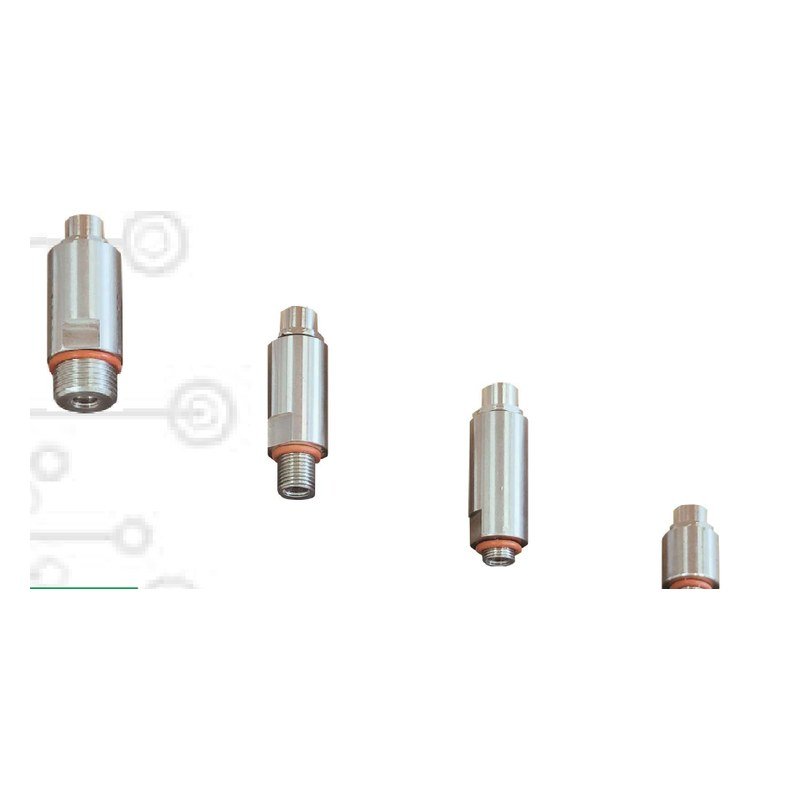
Why Choose This UV-C sensor in Oman?
Lamp hours alone do not show whether enough UV dose is reaching the water. Scaling on the quartz sleeve or a rise in turbidity reduces UV intensity. A UV-C sensor measures it directly and triggers an alarm before water quality is at risk.
Key Features
- AISI 316 stainless steel threaded enclosure
- Suitable for vapour mercury and amalgam lamps
- Irradiation and temperature measurement
- DVGW W294-3 and ÖNORM M5873 certified options
- 0–3 Vdc or 0–5 Vdc output, other outputs on request
- Works with SATEPA controllers and UV meters
Applications
- Municipal and validated UV systems
- Industrial UV sterilizers
- Retrofit monitoring of existing UV units
Models and Technical Data
| UVP 03 | 210–380 nm, 0–3 Vdc |
|---|---|
| UVP ON | DVGW W294-3 / ÖNORM, 0–5 Vdc |
| UVP DW | DVGW W294-3, 0–5 Vdc |
| Brand | SATEPA (Made in Italy) |
| Product type | UV-C sensor |
| Supplier in Oman | UV Water Systems, Muscat |
Sizing Your UV-C sensor
The right model depends on flow rate, water quality (UV transmittance, iron, hardness and turbidity) and the application. Send us your flow and a recent water analysis and our engineers will recommend the correct unit, the pre-treatment it needs and the spare parts to keep on site.
Buy SATEPA Products in Muscat, Oman
UV Water Systems has worked in water treatment in Oman for over 14 years and is ISO 9001:2015 certified. We supply SATEPA equipment with installation, commissioning, spare lamps and after-sales service. See our other water treatment products or contact us for a quotation and delivery time.
Call or WhatsApp: +968 9763 7786 | Email: sales@uvwater.biz
Frequently Asked Questions
Why fit a UV-C sensor?
It shows the real UV intensity, so sleeve fouling or lamp ageing is detected early.
Is a certified sensor necessary?
Only where regulations or project specifications require validated UV dose monitoring.


Reviews
There are no reviews yet.